




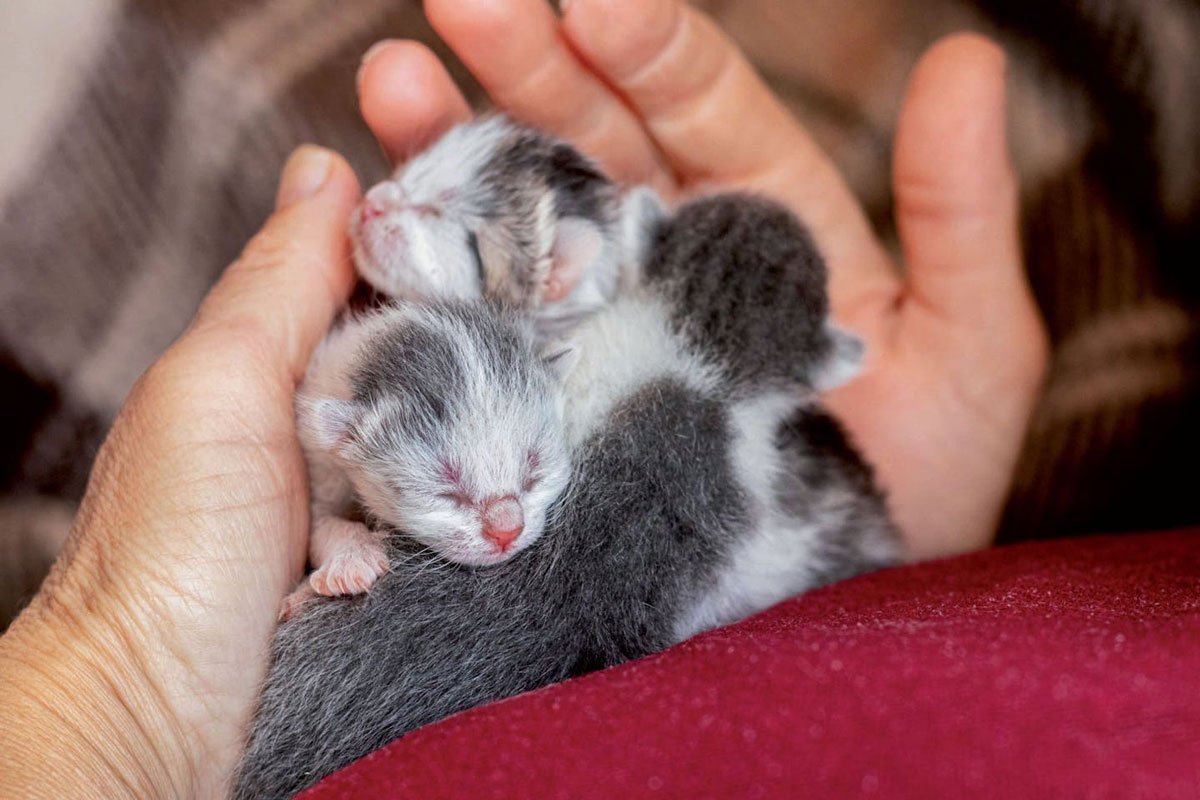
Cats sometimes behave in ways that owners may find difficult to understand and/or manage. Problems can occur at any stage of development, and these can have far-reaching effects for a kitten, especially when it comes to the role of being a household pet and part of the family; it is therefore essential to understand the different feline developmental periods in order to help kittens grow into great cats and become good companions. Behavior is determined by several factors, including the cat’s genetic predisposition, the genotype of the sire and dam, what the cat has learnt from past experiences (good, bad and neutral), as well as the environment in which it finds itself at any given time. Epigenetics also has a role to play...
KEY POINTS
Kitten owners need to be educated about how they can optimize both the physical and mental health of their new pet.
The uterine environment during pregnancy has significant effects on the future behavior and development of the individual kitten, and a balanced diet for the pregnant queen is essential.
Human contact and handling are very important in kittens before 9 weeks of age, as this helps them to develop socially acceptable behaviors.
Hand-reared kittens appear to be more likely to develop fearful and aggressive traits towards both people and other cats, and show less aptitude for learning.
Read the full article in:
